
Longevity economy
The longevity economy (in Polish “gospodarka długowieczności”) is the whole of economic activity that results from people living longer: the spending, work and unpaid activity of older people, and the products and services that help people stay healthy and fit for longer.
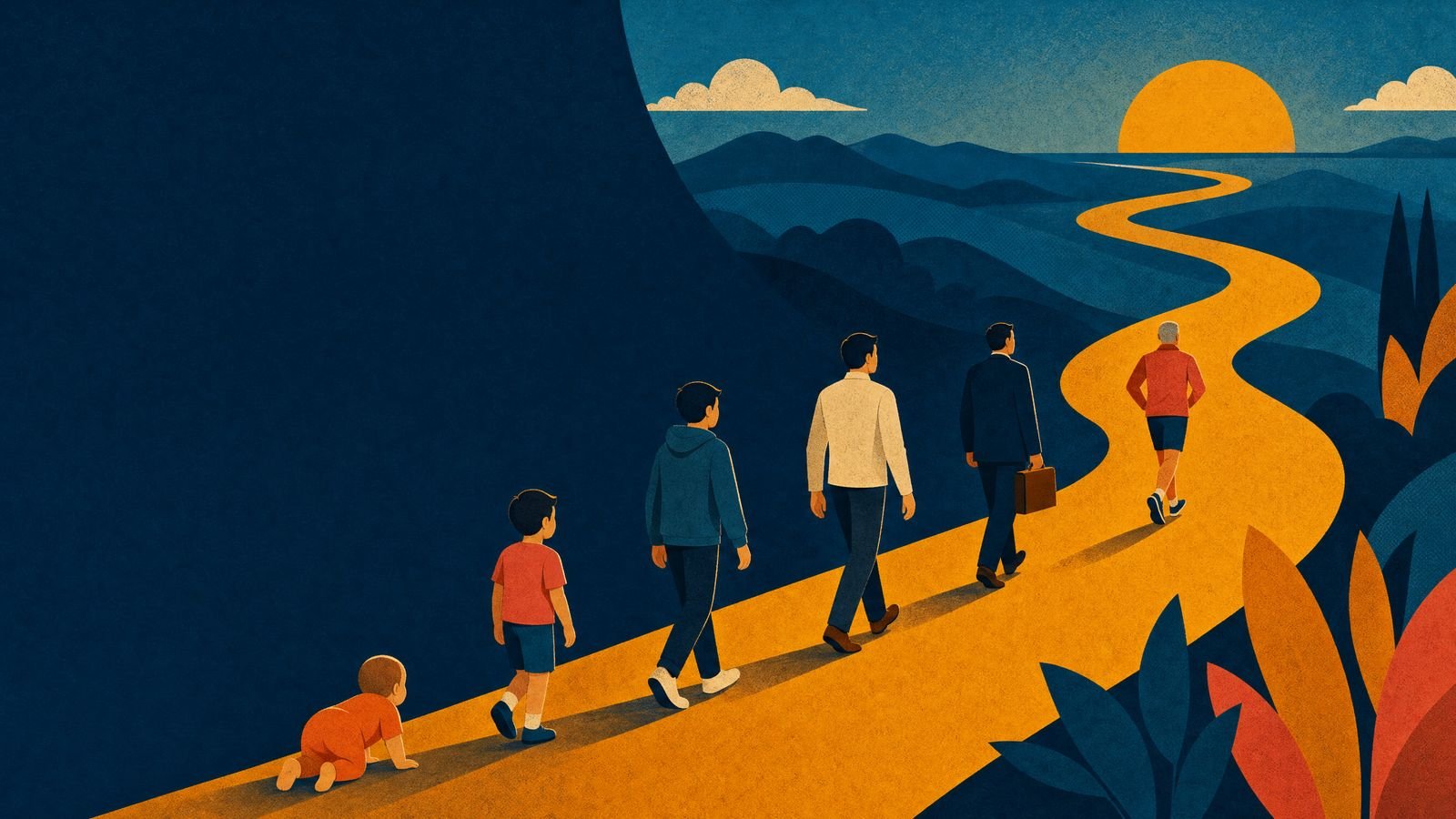
The term overlaps heavily with the silver economy, but it starts from a different point. The silver economy looks at the age of the customer; the longevity economy looks at the fact that people live longer, so it also covers what younger people buy with their later years in mind, for example retirement savings or preventive healthcare.
How big is the longevity economy?
The most often cited calculations come from the United States. According to an AARP report from June 2026, people over 50 contributed $12.5 trillion to the US economy in 2024, while making up 36 per cent of the population. Globally, World Data Lab estimates that in 2026 people over 60 will spend $19 trillion, or 27 per cent of global consumer spending, although they make up 15 per cent of the population.
Both figures are model estimates, they count different age groups and they cannot be added together or converted into złoty. A compilation for Poland and the European Union is in the article Poland is ageing fastest in the EU.
See also: silver economy, Poland is ageing fastest in the EU, Poles 50+ in numbers.
Sources
AARP, “Longevity Economy Outlook”, press release of 2 June 2026 (the economy of people aged 50+ in the US, data for 2024) - aarp.org
World Data Lab, A. Kiknadze, R. Leggett, “The Silver Economy: A $19 Trillion Market Growing to $34 Trillion by 2036”, 1 July 2026 (spending by people aged 60+ worldwide) - worlddatalab.com
Quick answers
What is the longevity economy?
The economy of longer lives: the whole of economic activity that results from people living longer, including the spending and work of older people and the products that help people stay healthy for longer.
How does the longevity economy differ from the silver economy?
The silver economy starts from the age of the customer, the longevity economy from the lengthening of life, so it also covers decisions made by younger people with their later years in mind. In practice the two terms are often used interchangeably.
How much do older people spend worldwide?
According to a World Data Lab estimate from July 2026, people over 60 will spend $19 trillion in 2026, or 27 per cent of global consumer spending.
silver-marketing.pl is published by Silver TV — internet television for viewers aged 50+ in Poland, with its own formats and a community on four platforms.
Visit Silver TV