
Ageism in advertising
Ageism in advertising is leaving older people out of advertising or showing them through an age stereotype: as ill, lonely, helpless, forgetful or unable to use technology.
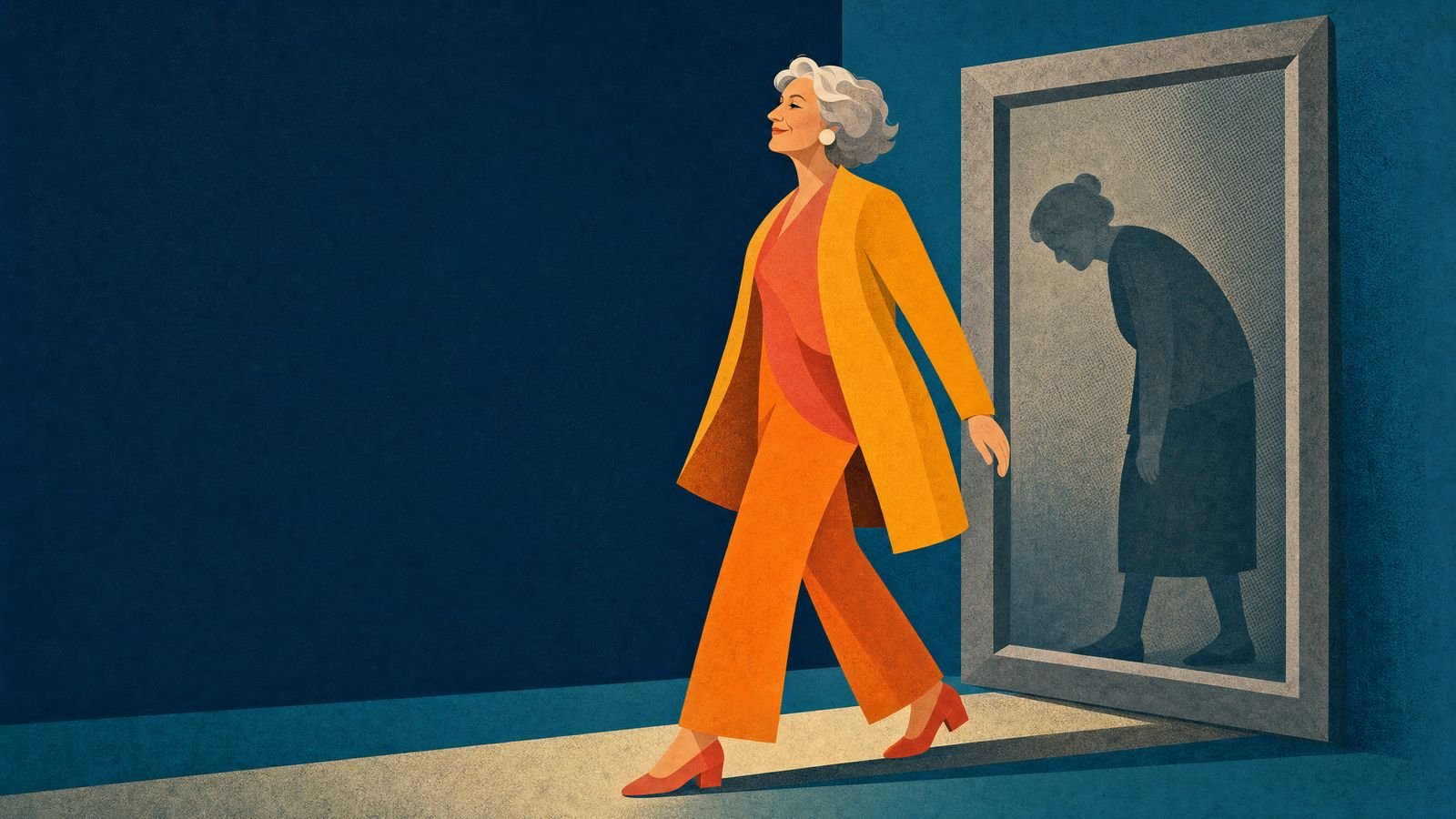
The word “ageism” means discrimination on the grounds of age. In advertising it takes two forms. The first is absence: people over fifty are missing from fashion, beauty and technology campaigns, even though they buy these products. The second is caricature: if they do appear, it is in an ad for a medicine, with an ailment in the first shot.
How do audiences themselves see ageism in advertising?
The most detailed study was done by the UK advertising regulator, the ASA. In June 2025 it published research with more than 4,000 British adults. 35 percent of respondents think older people are portrayed stereotypically in ads, and 44 percent that they are missing from ads or that there are too few of them. Almost half, 49 percent, find jokes at older people's expense offensive.
These are data from the United Kingdom. We have not found a Polish study of this scope.
Where does it come from?
Partly from who makes the ads. Only 10 percent of advertising professionals are over 45. We take apart the mechanism by which a brief from a health category turns into an ailment on screen in the piece Why people aged 50+ in ads always have something wrong with them.
See also: how advertising portrays 50+, the grandpa with a cane does not exist, silver marketing.
Sources
Advertising Standards Authority (United Kingdom), “The Depiction of Older People in Advertising”, 19 June 2025 (focus groups and a survey of over 4,000 adults) - asa.org.uk
California Management Review 68(2)/2026 (share of advertising professionals over 45)
Quick answers
What is ageism in advertising?
It is leaving older people out of ads or showing them through an age stereotype: as ill, lonely, helpless or unable to cope with technology.
How many people think ads stereotype older people?
In the study by the UK regulator ASA from June 2025, 35 percent of adults said older people are portrayed stereotypically in ads, and 44 percent that there are too few of them in ads or none at all.
How can a campaign avoid ageism?
Show people aged 50+ in the same categories and situations as younger people, not only in ads for medicines, and check casting and language with someone from the target group.
silver-marketing.pl is published by Silver TV — internet television for viewers aged 50+ in Poland, with its own formats and a community on four platforms.
Visit Silver TV